Ever Thought About Learning To Code?
I sat down to teach myself to code again, after 12 months of endeavour, this is what I can tell you...
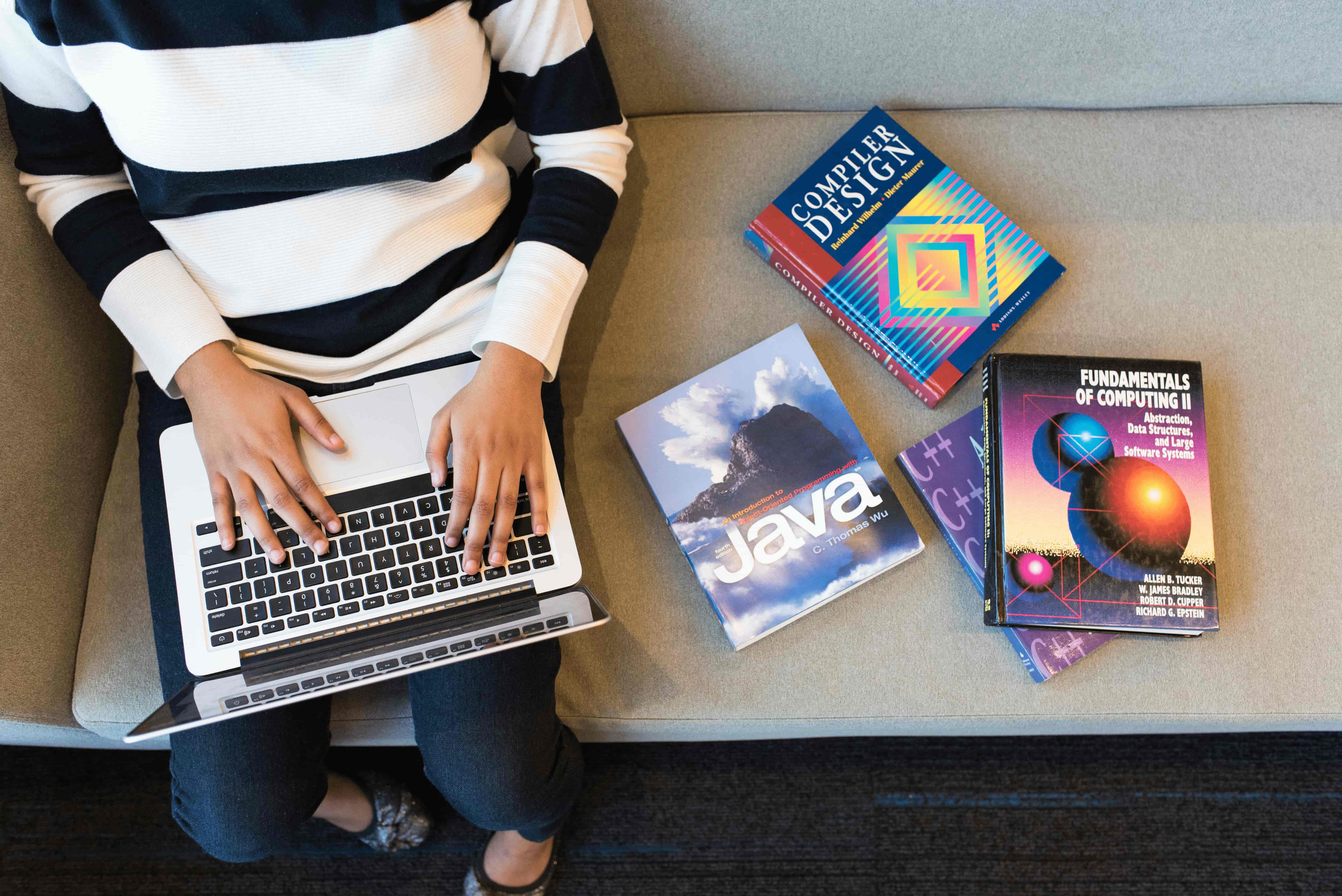
The tech industry is filled with software developers, engineers, and data scientists — all manipulating technology to improve human lives in one way or another.
But as everyday people, a question naturally arises:
Where do we fit in? - Other than being consumers…
What can we do that allows us to use the same tools to create something meaningful — or even profitable?
We constantly see headlines about blue-chip organisat ions making breakthroughs using data, automation, or artificial intelligence to “transform your virtual experience.” But what does that actually mean for us?
These were the exact questions that lived rent-free in my mind for years. And if you’re reading this, chances are - you’ve thought about them too.
That curiosity is what pushed me to study technology in the first place.
A Not-So-Perfect Start (And Why That’s Okay)
I’ll be upfront: I didn’t get the best grades. I didn’t land the career I hoped for.
For a while, it felt like I had failed.
But instead of killing my interest, that experience fuelled it.
Fast-forward a few years, and I found myself diving back into coding — this time on my own terms. As of writing this, I’ve spent over a year relearning how to code, approaching it differently, more intentionally, and with far more patience.
The path was long. It was often tedious. But I’ve always enjoyed a challenge.
And now, having walked through that road again, I can confidently share what genuinely helped — and what didn’t.
The reason you’re reading this post is simple:
Teaching something once is learning it twice.
This blog exists as my learning journal — a place where I “pretend” to teach, but really, I’m reinforcing what I’m learning myself.
Before diving into tools and resources, there’s one thing that matters more than anything else.
Mind Before Matter
If you want a realistic shot at becoming an entry-level programmer, mindset is non-negotiable.
The Power of Deep Work
You need the ability to focus deeply.
The idea of deep work was popularised by thinkers like Carl Jung and later expanded on by Cal Newport. At its core, it’s the ability to work on a single task — uninterrupted — for extended periods (60–90 minutes)1.
This kind of focus is where real learning happens.
Your Brain Needs Fuel
Mental performance doesn’t exist in isolation.
Exercise regularly
Socialise
Do things that make you feel competent
This isn’t about making you become some hyper-optimised productivity machine that looks and feels like Michael B. Jordan. Plenty of successful programmers look… questionable. 🙂
The point is to unlock your creative capacity, because creativity and problem-solving are the real currencies of programming.
Track What You Learn
You will forget things. Constantly.
That’s normal.
Which is why documenting your learning — through notes, blogs, or repositories — is powerful. Revisiting topics is part of the process, not a failure of intelligence.
Be patient with yourself.
Most successful people follow a lifestyle of constantly revisiting topics, doing exams, and learning new topics.
I’m far from successful, but I know why it works.
Where Should You Begin?
Once the foundations are in place, the obvious question becomes:
What language should I start with?
For me, the answer was clear: Python.
I had previously learned C# and other object-oriented languages during college and university, but Python felt like the missing piece — the language that finally clicked.
Python is widely regarded as:
Beginner-friendly
Readable
Incredibly powerful
One of the most in-demand languages in the world
With Python, you can build:
Task automation scripts
Simple applications
Text-based games
Data analysis tools
And with AI tools like ChatGPT acting as a personal tutor, learning has never been more accessible.
At some point, something interesting happens: You stop thinking about syntax — and start thinking about solutions.
That’s when coding becomes creative.
Learning Styles Matter More Than You Think
Your next step depends on how you learn best.
Ask yourself:
Do I learn visually?
Do I learn by reading?
Do I learn by doing?
I’ve tried:
Free courses
Paid (funded) courses
Classroom environments
Pure self-study
Here’s the truth:
No path is perfect.
Classroom courses leave gaps. Self-study can feel scattered.
What worked best for me was structured self-study.
As I write this, I’m still learning how to create a structured learning program for whatever topic I want to learn, what worked there for me is using AI to help create methods or roadmaps to tackle the larger topic.
The Resources That Actually Helped
- A Structured GitHub Challenge
This repository was a game-changer:
🔗 https://github.com/Asabeneh/30-Days-Of-Python
It takes you from absolute beginner to near entry-level in 30 days. By the end, I understood Python better than I had after completing a Level 2 coding course.
- YouTube — After the Basics
Once you’ve got the basics, course creators like Mosh Hamedani become incredibly valuable.
🔗 https://www.youtube.com/@programmingwithmosh
His Python course is beginner-friendly, thorough, and affordable — roughly the price of a few takeaway meals.
- Immediate Practice
Reading alone isn’t enough.
Whatever you learn:
Write it
Break it
Fix it
Rewrite it
Learning sticks when your hands are involved.
What Comes After Python?
If you’re serious about learning to code, there are a few non-negotiables:
Improve your basic maths (nothing advanced)
Get comfortable reading documentation
Set up a reliable workspace
Practice relentlessly
Focus on comfort before expertise.
Rotate your learning:
One month Python
One month HTML/CSS
Back to Python again
This prevents burnout and strengthens retention.
Algorithms: Don’t Memorise — Understand
You don’t need to memorise algorithms.
You need to understand:
What problem they solve
How they work conceptually
Where they’re used
That understanding compounds over time.
Tools Worth Bookmarking
W3Schools
🔗 https://www.w3schools.com - Brilliant for HTML, CSS, and quick references.
GitHub
🔗 https://github.com - Explore repositories slowly. One function at a time.
Books
Visit your local library or grab a beginner book. - This will help set the context for you.
Khan Academy
🔗 https://www.khanacademy.org - Ideal for refreshing maths and logic skills.
Online Communities / Forums
Joining as many conversations online about the topic wherever you can will help with your understanding.
Final Thoughts
I hope that by the end of reading this post I have been able to give you information that you can use to get you on the same learning path that I’m on.
This blog won’t always sound formal.
It’s written to speak to you, not at you.
If I can relate to where you are right now, then the time you spent reading this was worth it.
I don’t have subscriptions set up yet — but that’ll come.
Until then, this space exists to help me learn, remember, and improve. Because in the end:
You only truly learn what you use.